Skip to product information
1 of 1

Musozi

Musozi

Revisiting Rwamatamu near Lake Kivu, this natural lot celebrates the craftsmanship of the farm: creamy richness & dried fruits.

Regular price £17.75
Regular price Sale price £17.75
Sale Sold out
Volume

Character

We taste dates, blueberry and brown sugar.

Brewing

Recommended for espresso and filter.

Resting

We recommend resting our coffee inside its sealed bag for a minimum of 21 days to enjoy the best results.


View full details

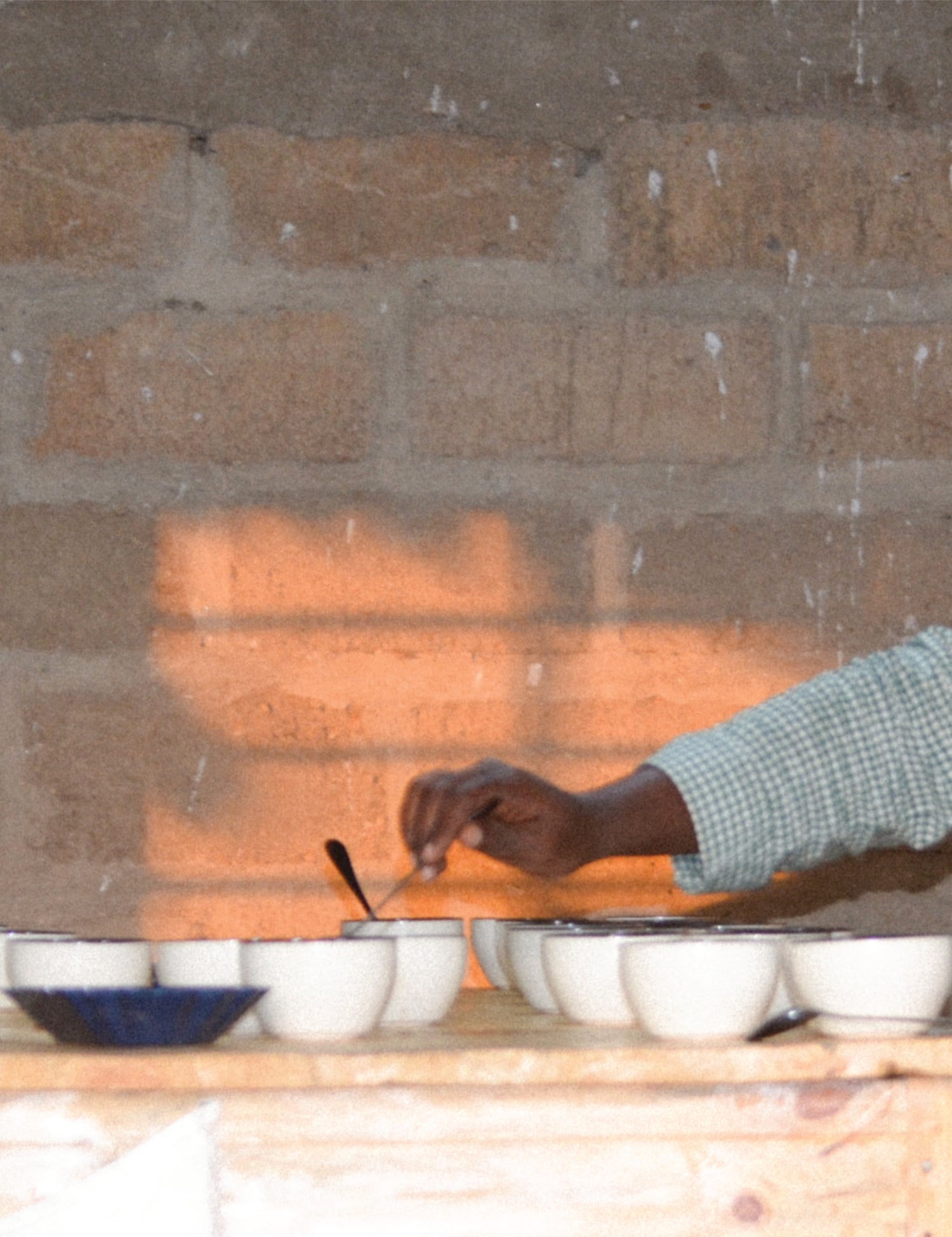
Dedicated cupping lab.

Founded in 2015 by Rutaganda Gaston and Mukantwaza Laetitia, Rwamatamu Coffee is a family-owned farm and washing station in Kiyube, within the western province of Rwanda.The farm sits in the surrounding hills of the picturesque Lake Kivu.

In 2023, Rwamatamu invested in a dedicated cupping lab to elevate their quality control and refine their approach to flavour assessment.

This space has become essential for training their team in techniques, deepening their understanding of how processing methods directly influence the final cup.

For this season’s harvest, we’ve selected a natural Bourbon that reveals dried fruit, blueberry sweetness, and a smooth, creamy richness.

The Producer

Rwamatamu sits between 1,600 and 2,000 metres above sea level in Rwanda’s Western Province, near the slopes that border Lake Kivu. The volcanic soil here is rich and dark, supporting healthy Arabica trees that thrive in the tropical highland climate.

With average temperatures between 14–24°C and steady rainfall, the conditions encourage slow, even development. The result is a dense, hard bean with clarity and structure.

Founder Rutaganda Gaston fostered close relationships with the local community who are the foundation of the farm.

Their daughter Bernice and her partner Luke will take over operations when her parents retire.

  • Production Data

    Produced by Rwamatamu Coffee
    Region - Kibuye
    Grown at 1600 - 2000 masl
    Varietal - Bourbon
    Harvest - June 2025
    Process - Natural

  • Natural

    Ripe cherries are dried whole commonly on patio’s, drying beds or even the bare earth allowing the bean to ferment naturally encased by its fruit.

    The cherries are turned regularly to reduce the risk of defects and ensure even drying.

    Once the cherries resemble raisins and the target parameters are met the coffee is hulled and sorted in the dry mill.

1 of 2